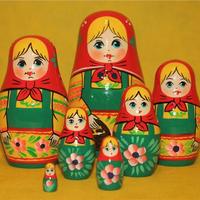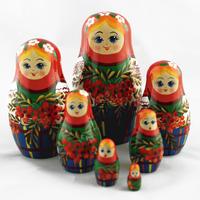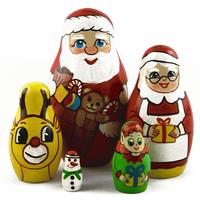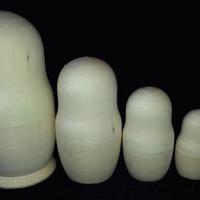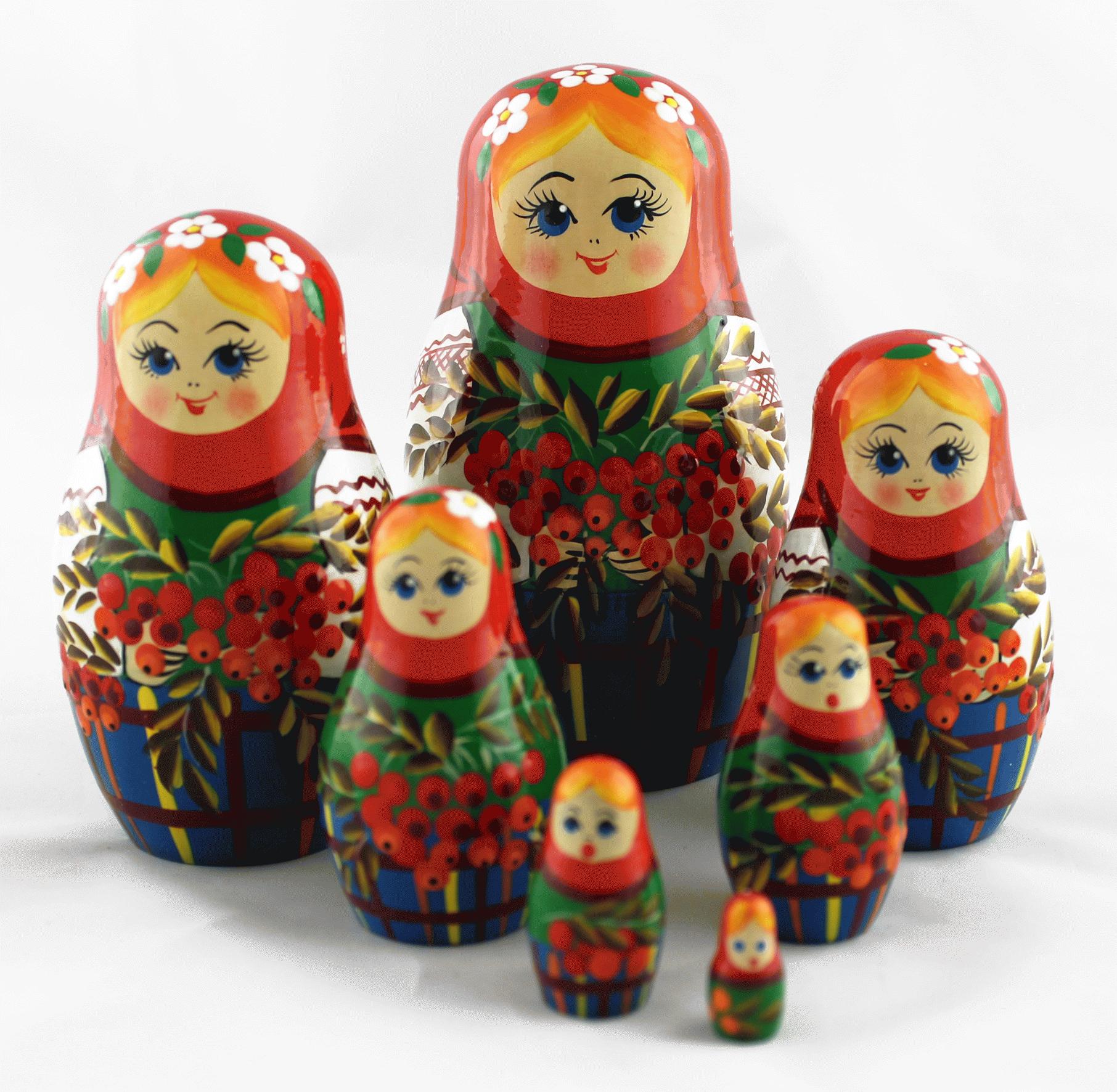
- Seasoned linden wood, nothing else
- Turned on a lathe and painted by hand in Russian workshops
- A seam that grips, under several coats of clear lacquer
The Secret Language on the Bottom of Your Doll
For fine art collectors, some of the most valuable information about a Russian nesting doll is inscribed on the unpainted wooden underside of the outermost figure. Just like fine oil paintings or porcelain figurines, master folk artists sign and date their original hand-painted creations.
Key Marks to Look For on the Bottom Base
1. The Artist's Signature (Авторская роспись)
On high-end collector sets, the artist signs their surname and initials in Russian Cyrillic script (e.g., *Худ. Иванова Е.* for "Artist Ivanova E." or *Роспись: Смирнов* for "Painted by: Smirnov"). An author's signature confirms the piece is a unique individual artwork rather than factory stencil work.
2. Piece Count & Edition Notation
You will often see fractions or numerals such as 5м (5-mestnaya / 5 pieces), 7м (7 pieces), or 10м (10 pieces). On limited-edition collector sets, you may see numbering like 12/50, denoting the twelfth set created in a limited 50-set atelier run.
3. The Regional Workshop or Guild Stamp
Historic folk art cooperatives apply branded bottom stamps:
- Семёновская роспись (Semenovskaya Rospis): The official trademark of the Semenovo woodcraft factory, often featuring a small cockerel or flower emblem.
- Сергиев Посад (Sergiev Posad / Zagorsk): Stamps referencing the historic Trinity Lavra artisan guild.
- Полховский Майдан (Polkhovsky Maidan): Signatures written in purple or black ink naming the village artisan artel.
4. The Woodturner Mark (Токарь)
On exceptional 15-piece and 20-piece sets, the master lathe woodturner who hollowed the linden logs may burn their personal maker's mark into the wood before passing it to the painter.
How to Verify Provenance When Buying Online
Always ensure your seller provides clear details on timber sourcing (100% solid seasoned linden wood), artisan origin, 30-day money-back inspection guarantee, and clear authentication criteria. Read our full checklist in How to Spot Authentic Wooden Nesting Dolls.
Frequently Asked Questions
What do the markings on the bottom of a nesting doll mean? +
The base usually carries the artist's signature in Cyrillic, a piece-count notation such as 5м or 7м (mestnaya, meaning places), sometimes a workshop stamp or region, and on collector pieces a date. Together they tell you whether the set is individually painted or factory work.
How do I know if my nesting doll is signed by the artist? +
Look for a handwritten surname and initials in Cyrillic on the unpainted underside of the largest figure, often prefixed Худ. (artist) or Роспись (painted by). Printed or stencilled lettering that repeats identically across sets is a factory mark, not a signature.
Does a signature make a nesting doll more valuable? +
It usually does, because it identifies the set as an individual artwork rather than a production run, but only alongside the painting quality itself. An unsigned set with exceptional brushwork is worth more than a signed but careless one.